 TrailFox
Winter
How to Dress a Toddler for Cold Weather: Layers and Wellies
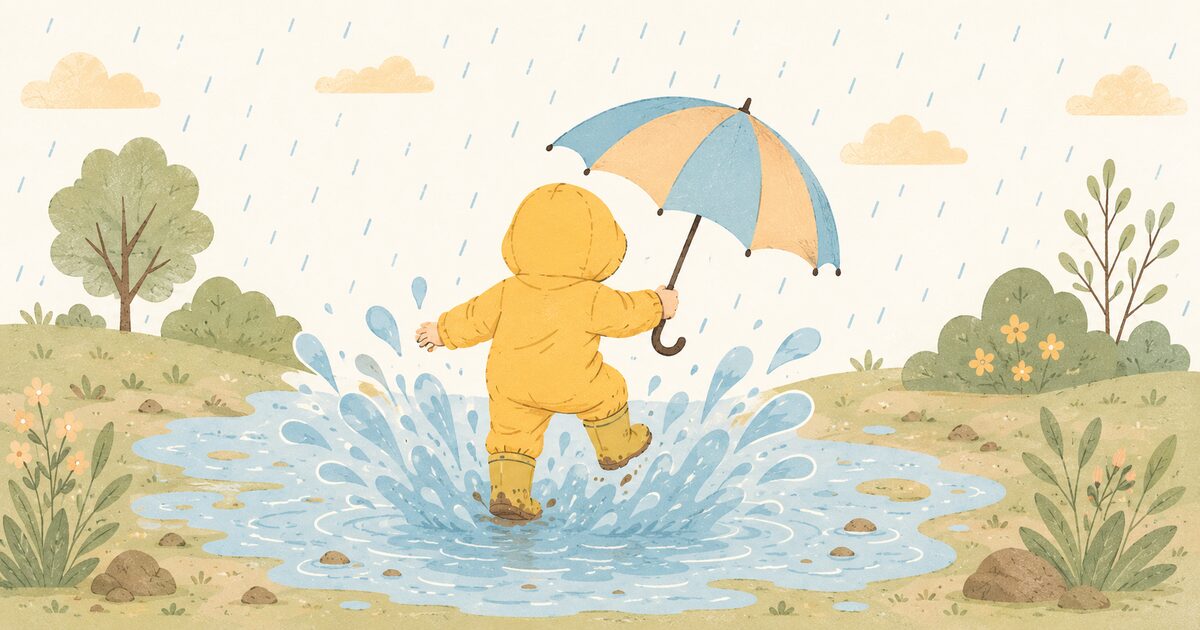
At our house, the honest answer to "how do I dress the toddler for a cold walk?" is three layers, wellies with thick socks, mittens not gloves, a hat that will not come off, and a pocketful of snacks. The rest is adjustment on the fly. Here is the kit we actually put on our three-year-old before a dark-by-four walk in a West Lancashire winter, the mid-walk check that tells us whether it is working, and the pocket spares that have saved more outings than any single purchase.
A note on how to read this. Our two are three and one, and the three-year-old is the one in these layers; the baby comes along in a carrier under one of our coats, which is a different kit entirely. Everything below is what we put on a child who is walking and running under their own steam.
The three layers, and what each one does
Think of it as a stack where each layer has a job, and you can peel the middle one off when you reach the park.
- Base layer. A long-sleeve top and leggings in something soft, close to the skin and not too thick. A thin merino or a cotton-blend thermal is the single best upgrade we have made. Avoid bulky cotton here: it holds damp from puddle splashes and takes an age to dry.
- Middle layer. A fleece, cardigan or thin jumper, and softer trousers over the leggings. This is the layer you take off when they get warm from running and put back on at the park bench. If the day is bright and still, you can often skip this one and go straight from base to coat.
- Outer layer. A waterproof, windproof coat with a hood, and either a puddle suit (ours is a one-piece with built-in feet) or waterproof trousers over the leggings. On a wet day this is the hardest-working piece of kit you own. On a dry, bright day a padded coat alone is plenty.
The reason to layer rather than reach for one giant coat is simple: toddlers overheat and cool down fast. A middle layer that can come off saves a sweaty, miserable walk home.
Hats, mittens and wellies
These are the three things that fall off, get lost or become the whole argument before you leave the house. The trick with each is a format, not a brand.
- A hat that will not come off. A fleece-lined beanie that covers the ears, with a chin tie or a strap, is worth more than a prettier one that lands in a puddle every fifty metres. We let him choose which of two his, and then it is settled before we get to the door.
- Mittens, not gloves. Fingers warm each other inside a mitten, and small hands get into them twice as fast as into gloves. Clip them to the coat with a loop or an elastic. Keep a spare pair in your pocket. One pair is one puddle away from disaster.
- Wellies with proper socks. Wellies are brilliantly waterproof and poorly insulated. Thick wool or wool-blend socks, or a thin pair under a thermal pair, bridge that gap. Buy wellies a size up so there is room for socks and growing feet. If the walk is more than half an hour and the ground is cold, swap in insulated boots.
- A scarf or a snood. A snood is better: no trailing ends, no loosening after fifteen seconds. Thin and merino beats bulky and scratchy every time.
What goes in your pockets
The pocket kit matters almost as much as the layers. Half a walk is held together by what you can hand over without stopping.
- Snacks. Something simple and self-contained: a cereal bar, a small bag of raisins, a satsuma. A snack arrives at minute fifteen and buys you another fifteen.
- A spare pair of mittens. The pair they are wearing will end up wet. The spare pair is non-negotiable.
- A packet of tissues. Winter noses are a feature, not a bug. Pre-tear one so you can get at it one-handed.
- A small bag. For a soaked hat, a soaked mitten, or whatever treasure comes home. Our pockets end up with pinecones and feathers more days than not.
- A spare pair of socks, if the walk is long. Wellies and puddles and a determined toddler always find each other eventually.
🦊 Short on winter walk ideas for the dressed-up toddler?
Our free app, TrailFox, is a bank of quick nature activities you can start within two minutes of stepping outside. The Winter Wild activity pack is built for exactly these walks: frost missions, puddle ice, breath dragons and short dark-evening hunts, with no kit beyond the layers above. Free on iOS and Android, no ads, no subscriptions.


The mid-walk check that tells you if the layers are working
Our three-year-old cannot reliably tell us he is cold. He will tell us he is hungry, bored, tired of being carried, in that order, and the cold often shows up as grumpiness about something else entirely. So we check for ourselves.
The check is quick. Slip two fingers inside the back of their collar, at the neck or between the shoulder blades. If their skin there is warm and dry, the layers are doing their job and you can keep going. If it is clammy, they are too warm and the middle layer comes off. If it is cold, you need to add a layer, pick up the pace, or head home.
Red cheeks and a cold nose on their own are not a reason to turn back. Those are winter doing exactly what winter does. Blue lips, shivering, white fingertips or sudden silence are the signs to go home now, with no debate.
Little legs, long enough walks
A winter walk with a three-year-old is slower than you remember. Puddles are a stop, not a hurdle. A dog two gardens away is a reason to lean on the gate for a minute. Birds pulling at a lawn are the whole walk, done.
Our eldest loves puddles, every bird he sees, and kicking through leaves. If I plan a thirty-minute loop and we manage it, I feel smug about my planning. More often, we get to the postbox, come back a different way to spot a different cat, and consider that the walk. The pillar guide to outdoor activities for toddlers leans on this: the walk is the activity, and the activity bends to whatever the toddler notices first.
Movement is also what keeps a toddler warm. Standing still watching the river for ten minutes is the moment the layers get tested. If you are planning on a long stop, add the middle layer before you stop, not after. For slightly longer, slower weather days, our winter outdoor activities for toddlers is a bank of short missions that keep the legs moving between stops.
When the walk falls apart at the front door
Half of our winter walks nearly do not happen because of what is on, or not on, the toddler at the door. The hat is wrong. The coat is "itchy". The wellies are suddenly offensive. We have found three things help.
- Lay the kit out the night before. Decisions made at 7pm by two calm adults are different decisions from the ones at 9am.
- Give them a job, not a lecture. "Can you find your mittens for me?" works far better than "we are going outside, you need to put on your mittens". A toddler with a job is a toddler who is already halfway out of the door.
- Keep the coat in the car or the pushchair. Fewer things to put on at the front step. Zip up outside, in the fresh air, with the walk already started.
If getting out of the door is the daily battle rather than the clothes, our toddler won't go outside guide is the one to read next.
What we do not do
We do not buy a new piece of kit for every forecast. Puddle suit, waterproof mittens, insulated boots and a decent hat is the whole paid list. Everything else is layers you already own, with a thermal base layer as the only treat if you want one.
We do not cancel walks because it is cold. We shorten them, swap the route, bring a flask of warm squash, or go round the block three times instead of to the field. For a longer family stride together, the NHS physical activity guidance for under-fives is the official line on why we keep showing up to the door with coats on in the first place.
The one guarantee of a winter walk with a three-year-old is that it will not go to plan. The point is not the plan. The point is that we got out of the door, moved for twenty minutes, found something to look at, and came home.
Quick answers
How many layers does a toddler need for a winter walk?
Three layers that each do a job: a soft base layer next to the skin, a warm middle layer for insulation, and a waterproof or windproof outer layer. On a wet day the outer layer earns its keep. On a dry, bright day you can often skip the middle layer and add a thin scarf. The point is layers you can peel, not one giant coat you cannot adjust.
Are wellies warm enough for a toddler in winter?
Wellies on their own are not. They are waterproof, not insulated, and little feet get cold inside them quickly. The fix is thick wool or wool-blend socks, or a thin pair under a thermal pair, with the wellies a size up to leave room. If the walk is longer than half an hour on cold ground, insulated boots are a better call than wellies.
Mittens or gloves for a toddler?
Mittens, every time, until they are four or five. Fingers warm each other inside a mitten, and tiny hands get into gloves far more slowly than into mittens. Attach them to the coat with a loop or a clip, and keep a spare pair in your pocket for the moment one lands in a puddle.
How cold is too cold for a toddler walk?
British winter cold is almost always walkable with the right layers. The limits that matter are wind and wet. In a biting wind we shorten the walk, keep moving and head for a tree line or a wall for shelter. In sideways rain we go anyway, in full waterproofs, but we plan a short loop with a warm drink at the end.
What should a toddler wear under their coat in winter?
A long-sleeve top and leggings or thick trousers as the base, then a fleece, cardigan or thin jumper on top. Avoid heavy jeans: they go cold and heavy the moment they get wet, which with a toddler is quickly. A thin merino or thermal top under everything else is the single best upgrade we have made.
How do I check if my toddler is warm enough?
Mid-walk, slip two fingers inside the back of their collar at the neck or between the shoulder blades. Warm and dry is the goal. Cold and clammy means the layers are not working and you need to head home. Red cheeks and a cold nose on their own are not a reason to turn back: those are winter working as designed.